In short
Ekvira Aai is held as the Kuladevi (family deity) of several communities — notably the Koli fishing community, the Agri community, and the Chandraseniya Kayastha Prabhu (CKP). This shared devotion is felt most strongly during the Chaitra festival, when community groups carry a ceremonial palkhi in procession to the temple at Karla.
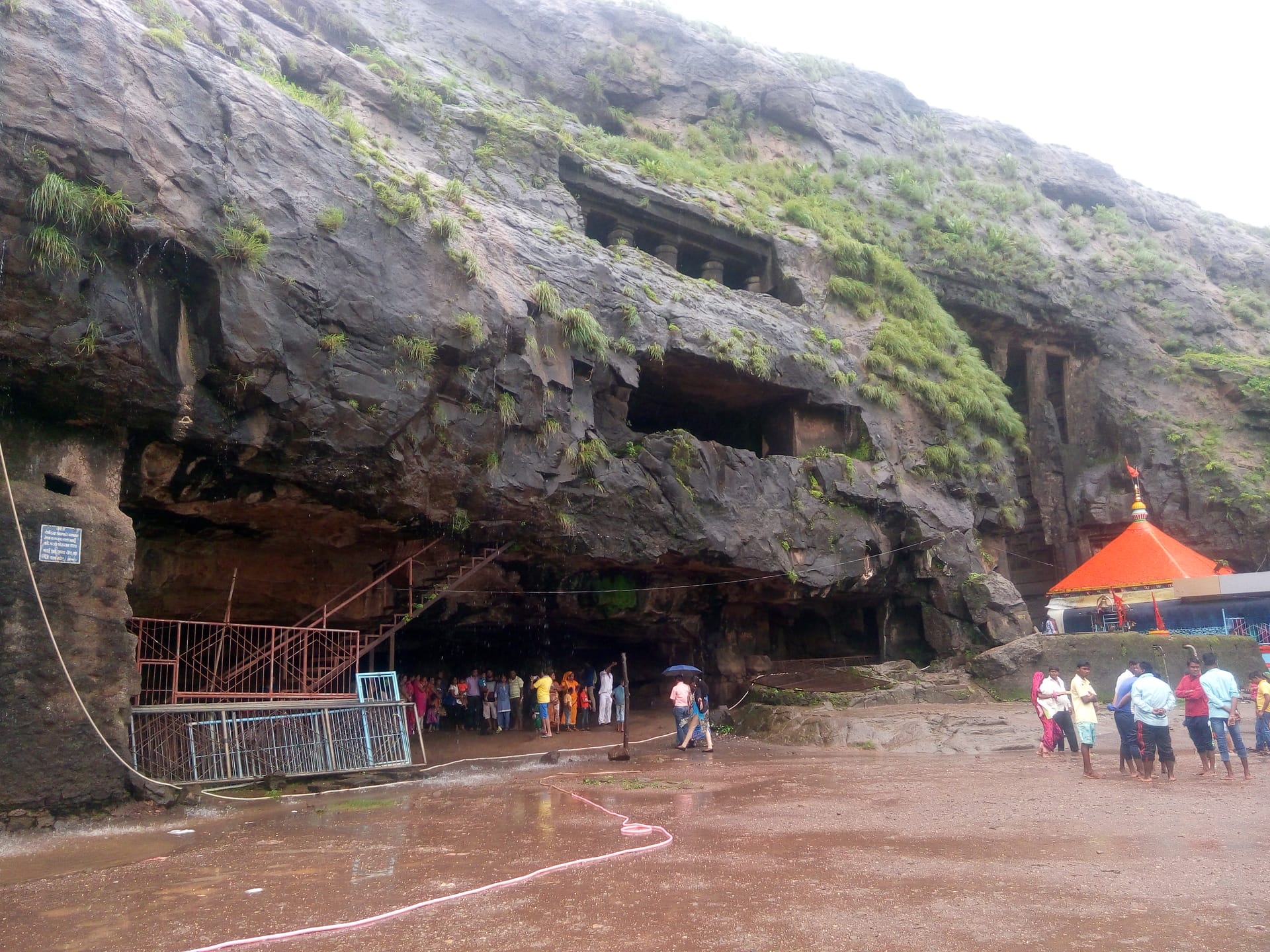
A shared devotion
For generations, Ekvira Aai has been a family deity for communities of the Konkan coast and the lands around it. To call her a Kuladevi is to say that whole family lines regard her as their own — a goddess returned to across the years, at weddings, at the naming of children, and when vows are made and fulfilled. The temple at Karla is, for these families, a spiritual home as much as a destination.
The communities
Several communities hold Ekvira Aai as their Kuladevi. We describe them here in their own right, without generalisation:
- The Koli community — traditionally a fishing people of the Maharashtra coast — who venerate Ekvira Aai with particular devotion, including as a guardian of those whose livelihood depends on the sea.
- The Agri community, long settled across the Konkan and its hinterland, with their own customs and a deep tie to the goddess.
- The Chandraseniya Kayastha Prabhu (CKP) community, for whom Ekvira Aai is likewise a family deity.
Some Daivadnya families also hold her as their Kuladevi. Each community brings its own traditions to the shrine; what they share is the relationship of devotion to Ekvira Aai. For more on the goddess herself, see Ekvira Aai — the goddess & her significance.
The Chaitra palkhi
The strongest public expression of this bond is the Chaitra Yatra, the spring pilgrimage and festival at Karla. During the observances, community groups carry a ceremonial palkhi (palanquin) in procession. Koli and Agri participation is a long-standing and visible part of these days, and the honour of leading a palanquin can rotate between groups from year to year. The festival falls around Chaitra Shuddha Saptami on the Hindu lunar calendar, so its dates shift each year.
Festival dates follow the lunar calendar and change annually — approximate dates only; please confirm with the temple before travelling. See the Chaitra Yatra page for the current year.
A note on community histories
Detailed oral histories, family genealogies, and community photographs deserve to be told accurately and with consent. Where such material touches the Koli, Agri, CKP and Daivadnya communities, it should be reviewed and approved by community representatives before publishing.
This page keeps to what can be stated respectfully and verifiably. If you are a community representative and would like to contribute or correct anything here, please reach out via the contact page or report a correction.
Told with respect
We have written this page to honour the communities’ relationship with Ekvira Aai without exoticising it or flattening real differences into a single picture. These are living communities with their own voices; our aim is to point to the shared devotion at Karla while leaving the fuller telling to the communities themselves. Photographs and oral accounts will be added only after review by those they belong to. In the meantime, the gallery shows the temple and its setting.