Marvel of Rock-Cut Engineering
The Karla Caves complex, dating back to the 2nd century BCE, comprises 16 rock-cut caves carved into the western face of a hill in the Sahyadri range. It is home to India's largest and best-preserved Chaitya (prayer hall), a masterpiece of ancient Indian rock-cut architecture that has inspired scholars and pilgrims alike for over two thousand years.
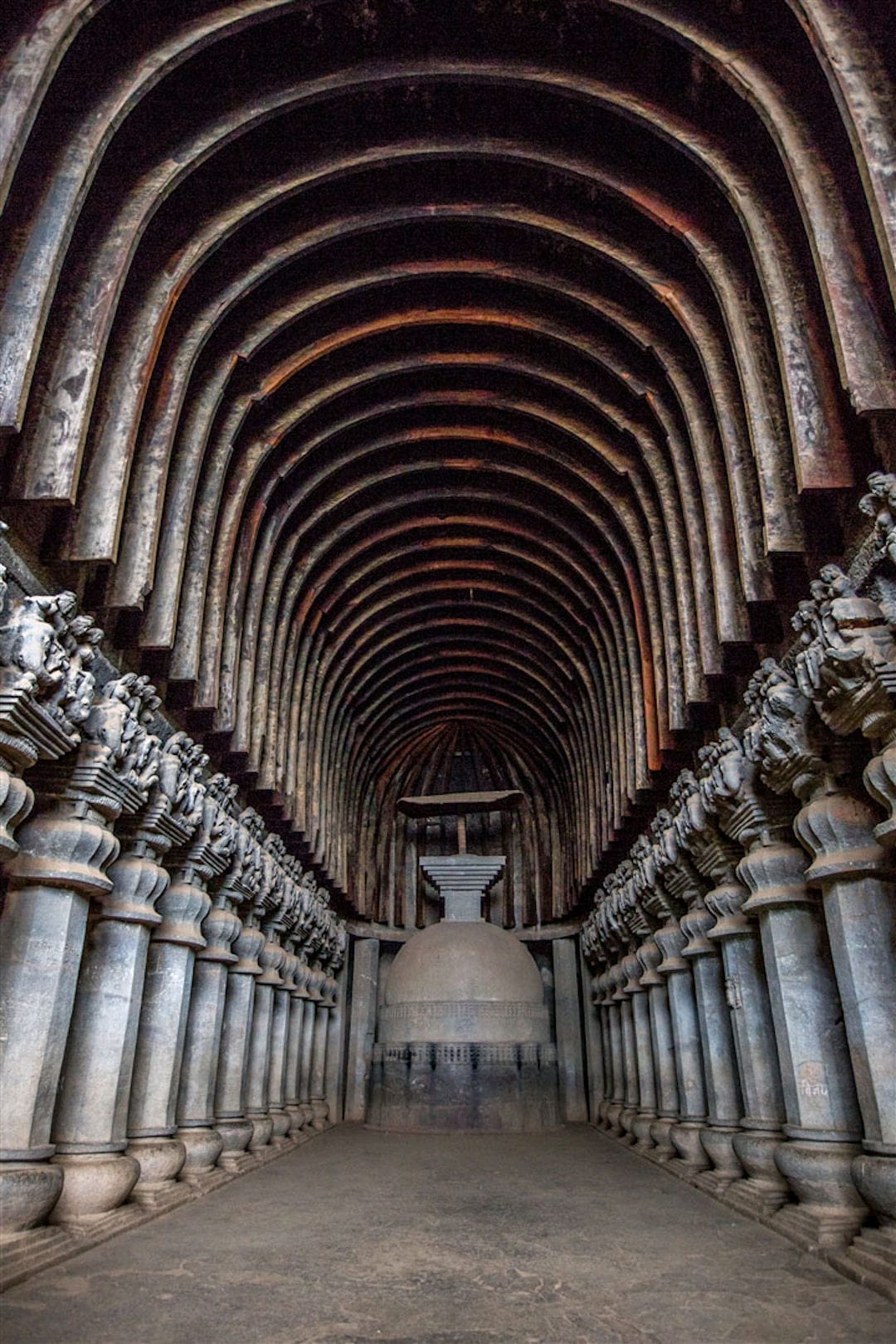
The Great Chaitya Hall
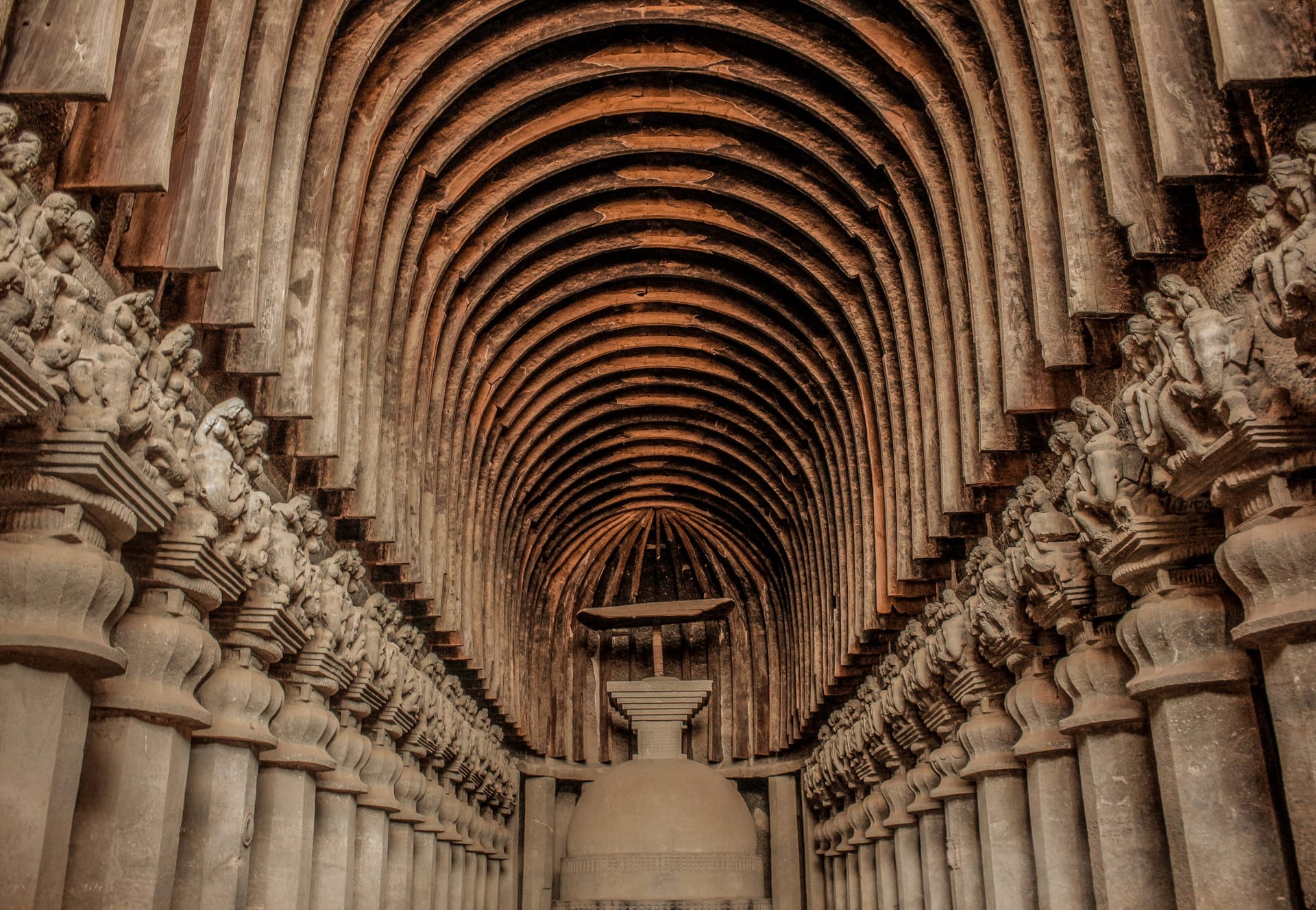
At 45 meters long, 14 meters wide, and 15 meters high, this is the largest rock-cut Chaitya in India. The magnificent barrel-vaulted ceiling, once fitted with wooden ribs (some of which still survive), creates an awe-inspiring cathedral-like space. The hall features 37 octagonal pillars with intricate capitals depicting elephants, horses, and human figures. Natural light floods in through a large horseshoe-shaped window (chaitya window) above the entrance.
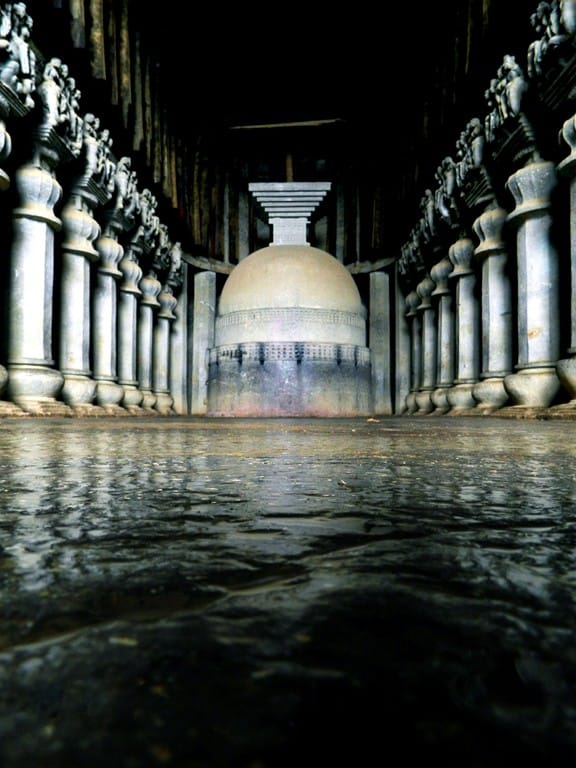
The Sacred Stupa
At the apse end of the Great Chaitya stands a monolithic stupa - a hemispherical dome carved from the living rock. Originally a Buddhist reliquary monument, this stupa is one of the best-preserved examples from the Hinayana period. It is topped by a wooden umbrella (harmika), symbolizing royalty and reverence. The stupa served as the focal point for circumambulation rituals performed by ancient Buddhist monks.
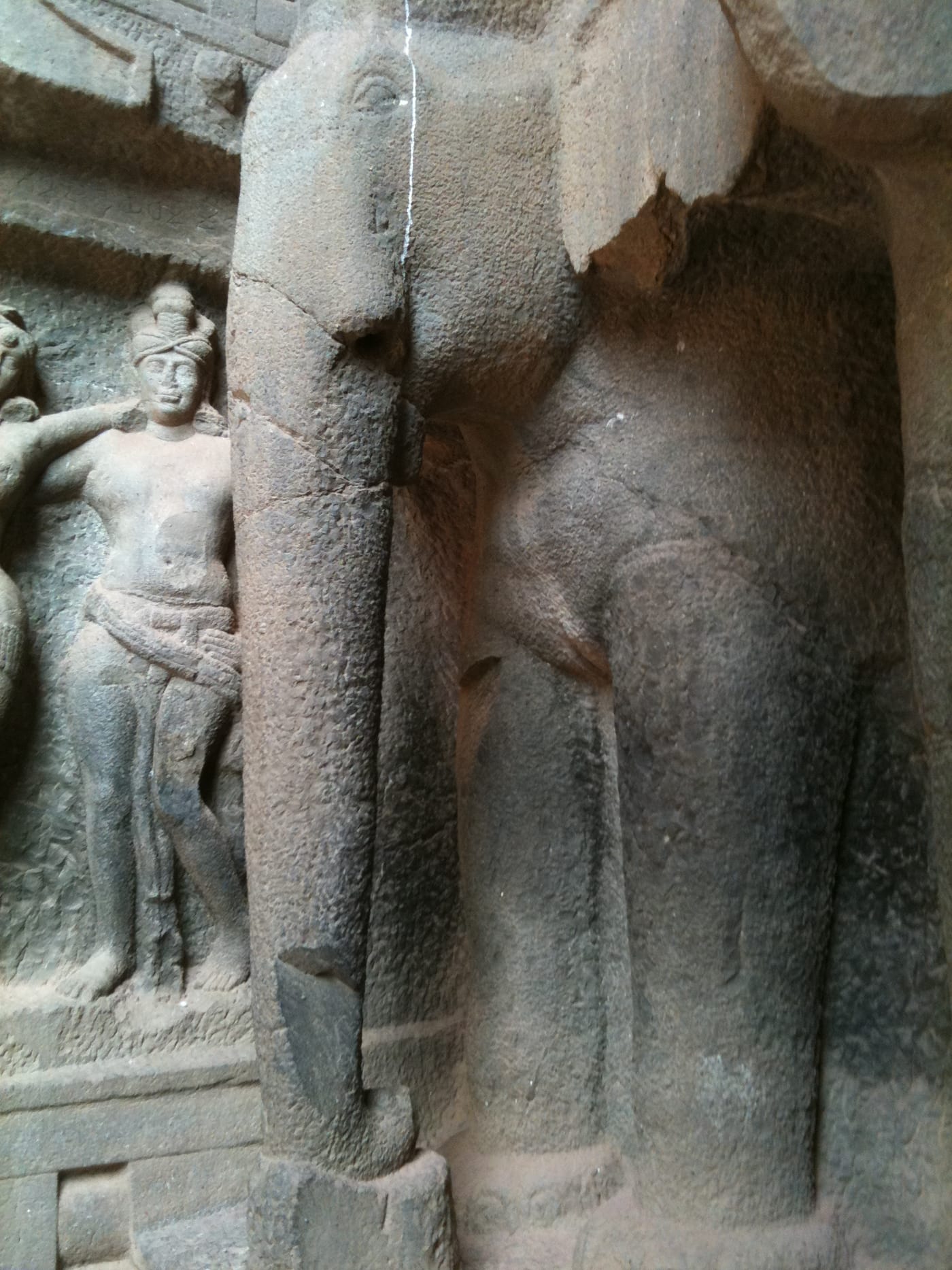
Pillars & Sculptures
The entrance to the Great Chaitya is flanked by a massive standing pillar crowned with four lions (a Simha Stambha, reminiscent of the Ashoka Pillar). The cave interiors feature elaborately carved couples (mithuna figures), elephant riders, and decorative motifs. Each pillar capital is unique, displaying the extraordinary skill of ancient artisans who carved these from solid basalt rock.
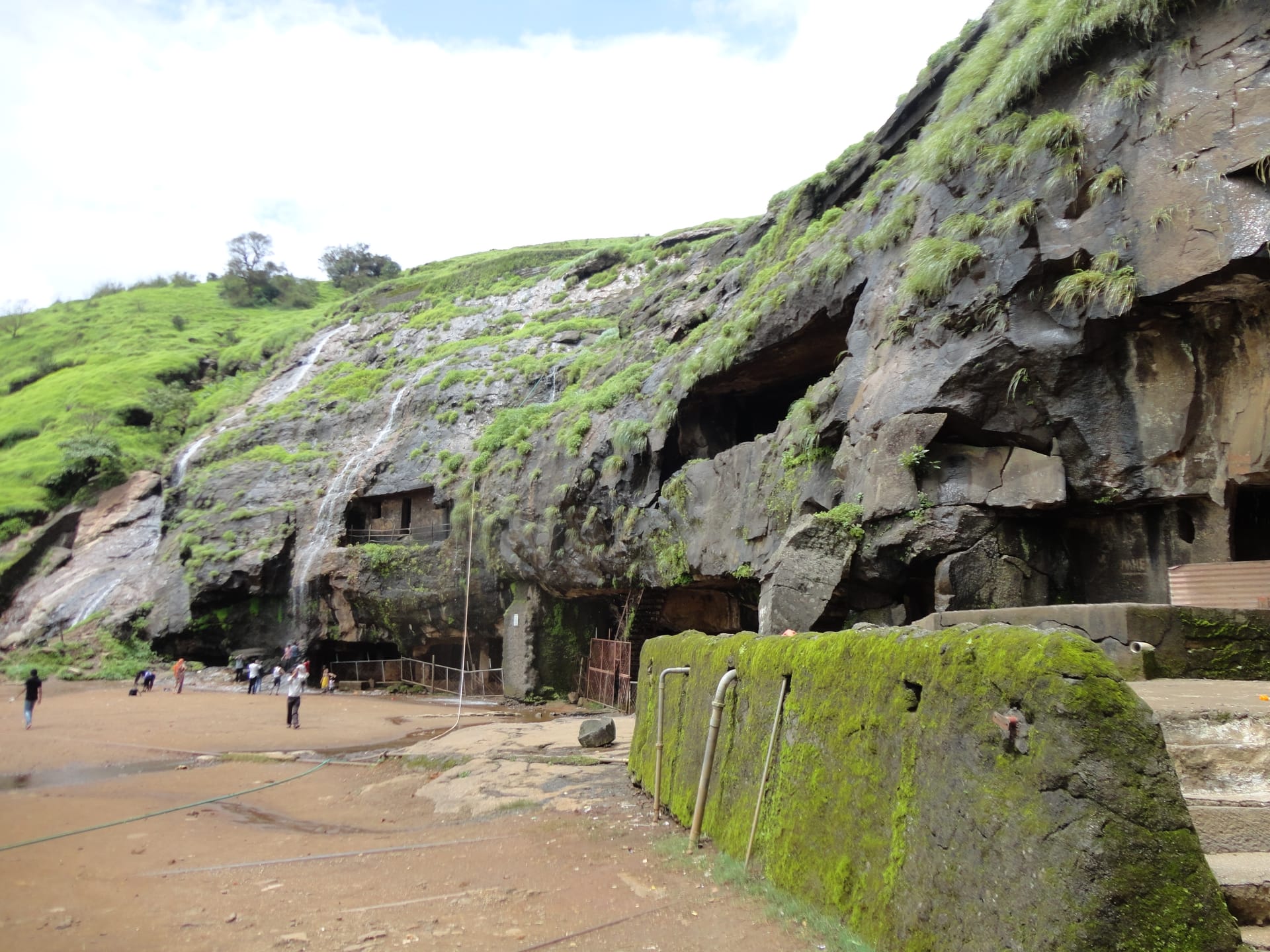
Cave Complex Overview
Beyond the Great Chaitya, the Karla complex includes 15 additional caves serving as viharas (residential cells) for Buddhist monks. These caves feature stone beds, meditation chambers, and water cisterns. Several caves contain inscriptions in Brahmi and Devanagari scripts, recording donations by merchants and kings. The complex offers breathtaking views of the surrounding Sahyadri valley.

The Grand Facade
The entrance facade of the Great Chaitya is one of the most ornate in Indian cave architecture. A large horseshoe-shaped (chaitya) window dominates the upper section, allowing sunlight to illuminate the stupa within. Below are three doorways with carved screen walls. The facade once featured elaborate wooden structures and carvings, with traces still visible in the rock-cut sockets.
Inscriptions & Details
Over 30 inscriptions have been found at Karla, mostly in Brahmi script. These record donations by merchants, guilds, and royals from Nashik, Vaijayanti, and beyond. Yavana (Greek) donors are also mentioned, confirming the cosmopolitan nature of ancient trade routes. The inscriptions provide invaluable insights into the economic and cultural life of the Satavahana period in western India.
The Stone Stairway to the Temple
The journey to the Ekvira Devi Temple is up a long stone stairway carved into the hillside. Public sources put the climb at roughly 350 to 500 steps, depending on where the count begins (the parking area or the base of the hill). Flanked by small shops, rest spots and scenic viewpoints, it has been the pilgrim's path for generations and rewards the climb with sweeping views of the valley and the surrounding Sahyadri hills.
During festivals such as Navratri and the Chaitra palkhi, large numbers of devotees make this climb in a spirit of celebration and devotion, chanting "Ekvira Aai cha Gajar" as they ascend. Wear comfortable, non-slip footwear, carry water and rest as needed — there is no confirmed ropeway or doli-for-hire, so plan for the climb on foot.
Conservation & ASI Protection
The Karla Caves complex is a protected monument under the Archaeological Survey of India (ASI). Ongoing conservation efforts focus on preserving the ancient rock-cut surfaces, managing water seepage, preventing vandalism, and maintaining the structural integrity of the caves. The ASI has installed protective barriers and informational signage throughout the complex.
Visitors are encouraged to respect the heritage by not touching the carvings, refraining from littering, and following designated paths. Photography is permitted for personal use, but commercial photography and drone usage require special permission from the ASI.