In short
At Karla two kinds of story sit on one hill. Recorded history — the kind written in stone and studied by archaeologists — describes the Karla Caves as an ancient Buddhist rock-cut complex dated to around the 2nd century BCE, protected by the ASI, with inscriptions recording donors along the old trade routes. Sacred tradition — the devotional stories devotees cherish — includes the Pandava and Renuka tales tied to the living Ekvira shrine. Both are real and worth knowing; we keep them clearly apart and never present legend as proven history.
Visitors often ask whether the caves are "really" the work of the Pandavas, or how old the goddess is. The honest answer is that two different kinds of knowledge meet at Karla — documented archaeology and living devotion — and the most respectful thing we can do is tell them apart while honouring both.
Why we separate the two
Recorded history rests on physical evidence: carved stone, dated inscriptions, the methods of archaeology. Sacred tradition rests on faith, memory and oral storytelling passed down through communities. They answer different questions. Treating a devotional legend as if it were an excavation report does justice to neither — it strains belief for the sceptic and flattens meaning for the devotee. So on this site we label tradition as tradition, history as history, and let each speak in its own voice.
History & tradition, side by side
The Karla Caves
- An ancient Buddhist rock-cut complex, generally dated to around the 2nd century BCE with later additions.
- A centrally protected monument under the Archaeological Survey of India (ASI).
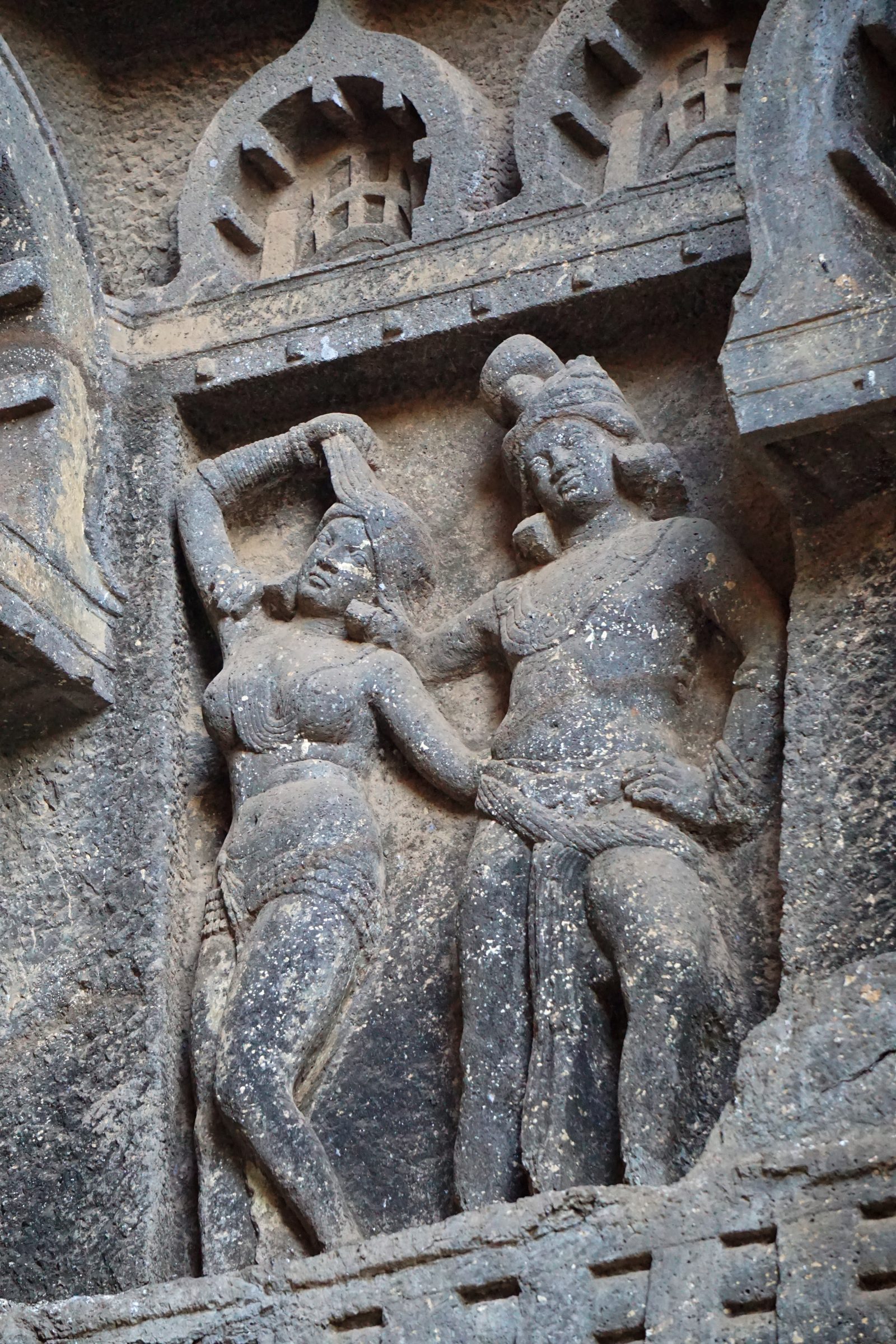
- The Great Chaitya is among the largest rock-cut chaitya halls in India, with rows of octagonal pillars, a monolithic stupa and an ornate horseshoe-window facade.
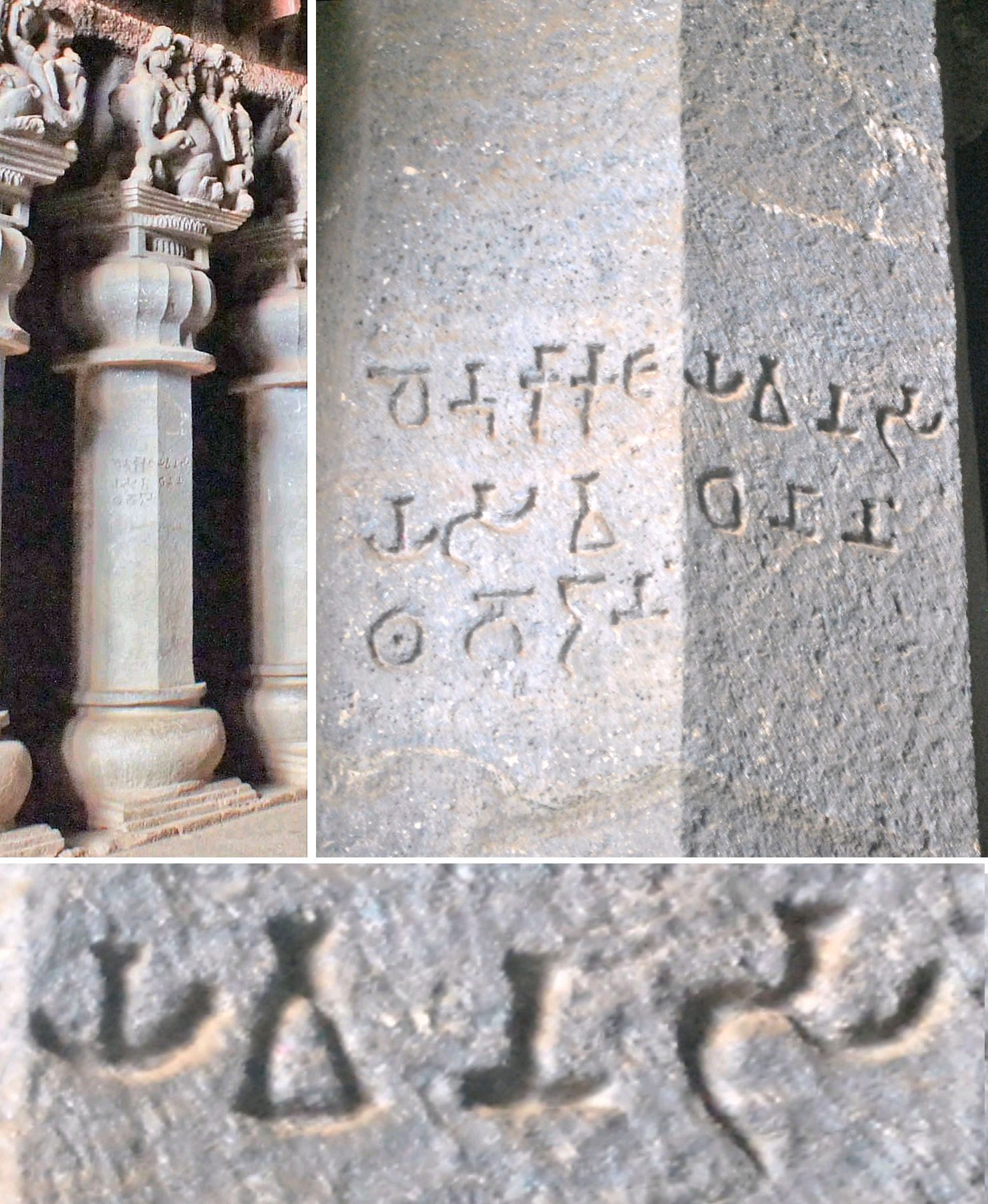
- Brahmi inscriptions record gifts from merchants, guilds and royalty — evidence of the site's place on early trade routes.
The Ekvira shrine
- A living Hindu shrine to Ekvira Aai, revered as a form of the goddess Renuka.
- She is the Kuladevi (family deity) of the Koli, Agri and CKP communities, especially honoured by Koli fisherfolk.
- Devotional stories link the site to the Pandavas of the Mahabharata and to Renuka — cherished as faith and identity, not as dated record.
- The devotion is expressed today in daily darshan and in festivals such as the Chaitra Yatra and Navratri.
The dating and inscriptions of the caves come from archaeological scholarship; the Pandava and Renuka stories are devotional tradition, not historical fact.
The recorded history
What can be read in the rock is remarkably detailed. The caves were excavated as a Buddhist monastic and worship site, with a grand prayer hall (the chaitya) and living quarters (viharas) cut directly into the hillside. Inscriptions in the Brahmi script, carved by the donors themselves, name merchants, craft guilds and rulers who funded the work — a window onto a society sustained by the trade that passed through the Western Ghats. Because the caves are protected by the ASI, they are conserved as a national monument with their own visiting hours and ticket, separate from the temple. Our pages on the Karla Caves and the temple's broader history and legends set this out in more depth.
The sacred tradition
Alongside the documented past runs a living devotion that is no less important to the people who keep it. Ekvira Aai — Ekvira Aai — is worshipped as a form of Renuka and as the family deity of several communities, with the Koli fishing communities holding her especially dear as a protector. The stories that connect her shrine to the Pandavas' exile or to the Renuka legend are part of this tradition: they carry meaning, belonging and continuity across generations. We share them as the sacred narratives they are, clearly flagged as devotional tradition rather than as claims about when or by whom the caves were carved.
How to hold both
You do not have to choose. Stand in the Great Chaitya and you are inside a documented chapter of India's ancient past; turn to the shrine and you are part of a devotion still alive today. The respectful posture is to let the inscriptions speak for history and the festivals speak for faith — and to resist collapsing one into the other. That is the approach we take across the whole site: history sourced and dated where it can be, tradition honoured and named for what it is.
Explore both stories
Read the documented heritage of the caves and the living devotion of the shrine — kept clearly apart, both worth your time.
History & legendsSources & notes
- Karla Caves as a centrally protected monument and Buddhist site: Archaeological Survey of India.
- Background on the caves' dating, chaitya and inscriptions: Wikipedia — Karla Caves (reference only; corroborate with ASI and epigraphic scholarship).
- Background on the deity, the Kuladevi communities and the legends: Wikipedia — Ekvira (reference only).
- Tourism context for the Karla–Lonavala area: Department of Tourism, Maharashtra.
- Origin stories are recorded here as devotional tradition, not as established history.