In short
You can comfortably see both the Ekvira Devi Temple and the Karla Caves in a single day because they share the same hill. The key is timing: the ASI-managed caves keep shorter hours (reported around 9:00 AM–5:30 PM) and close earlier than the temple, so visit the caves within their window and keep the temple, which reopens in the evening, more flexible. Start early, build in a meal and a rest, and pace the climb for everyone in your group.
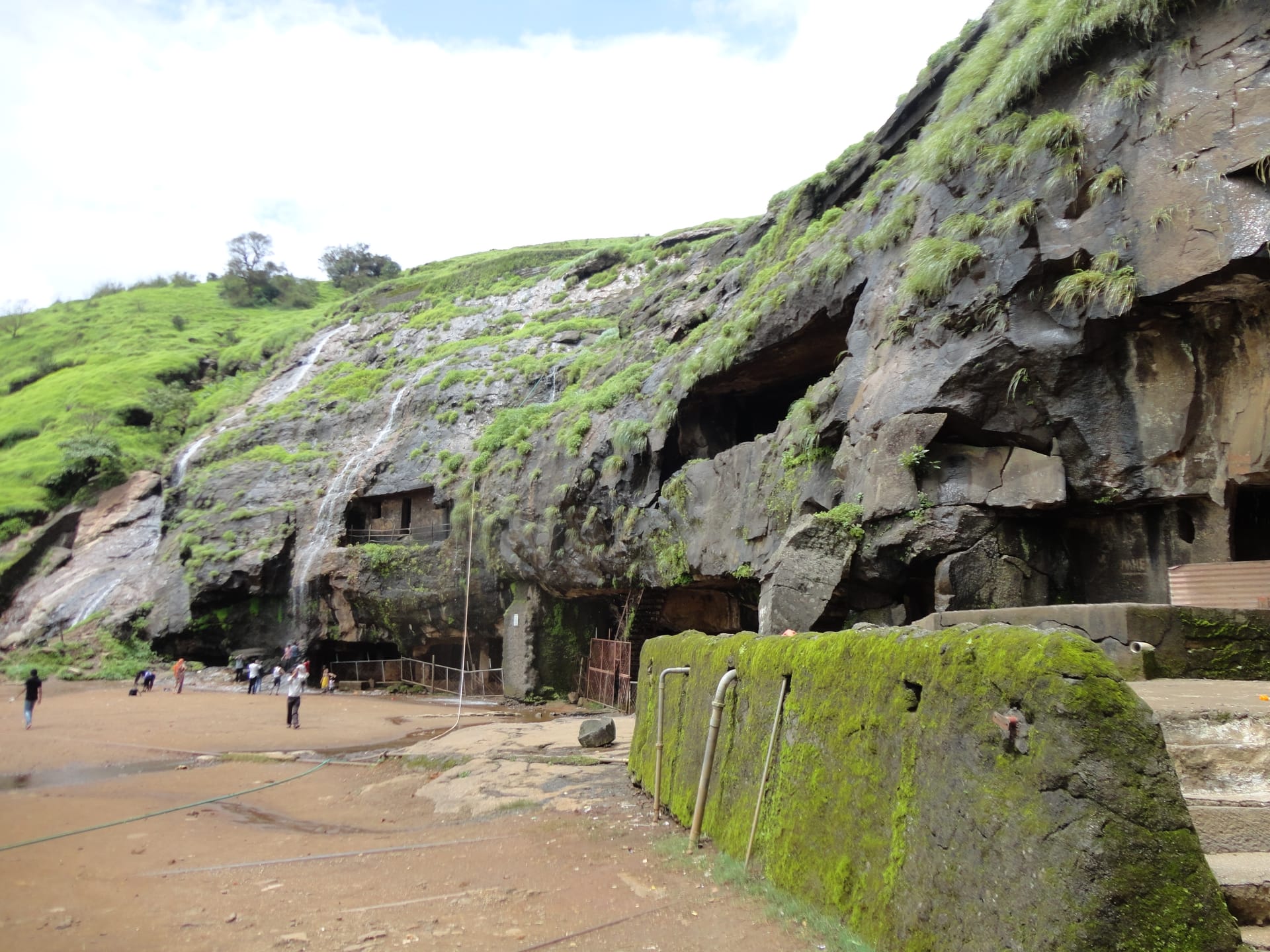
Two very different experiences sit side by side at Karla: a living goddess shrine reached by a long climb, and an ancient Buddhist cave complex carved into the same rock. With an early start and a sensible order, both fit easily into one day — and the day is far better for not rushing either.
A realistic one-day plan
Treat the day as three blocks: arrival and the climb, the temple darshan, and the caves — with a meal and rest woven in. A comfortable shape looks like this:
- Early morning: reach Karla, sort out parking, footwear and water at the base, and begin the climb of several hundred steps to the temple while it is still cool.
- Mid-morning: darshan at the shrine, then a slow descent with breaks.
- Midday: a meal and a proper rest at the base, which also covers the temple's reported midday break.
- Afternoon: the Karla Caves, comfortably inside their opening hours, before they close for the day.
- Evening (optional): a second, calmer temple darshan once it reopens, if your group still has energy.
Our one-day itinerary lays the same plan out step by step, and the timings and aarti page keeps the reported hours together with their caveats.
Timing & the right order
The single most useful planning fact is that the two sites keep different hours. The temple is reported to open roughly 5:00 AM–12:00 PM and 4:00–9:00 PM, with a break through the middle of the day. The caves, managed by the Archaeological Survey of India (ASI), keep a shorter window — commonly cited as around 9:00 AM–5:30 PM.
That asymmetry sets the order. Anchor your day around the narrower cave window: as long as you reach the caves comfortably before their closing time, you can be flexible with the temple, which is open early and again in the evening. A natural rhythm is temple in the morning, the caves in the afternoon.
Both sets of hours are reported from public sources and are time-sensitive — confirm temple timings with the Trust and cave timings with the ASI before you travel.
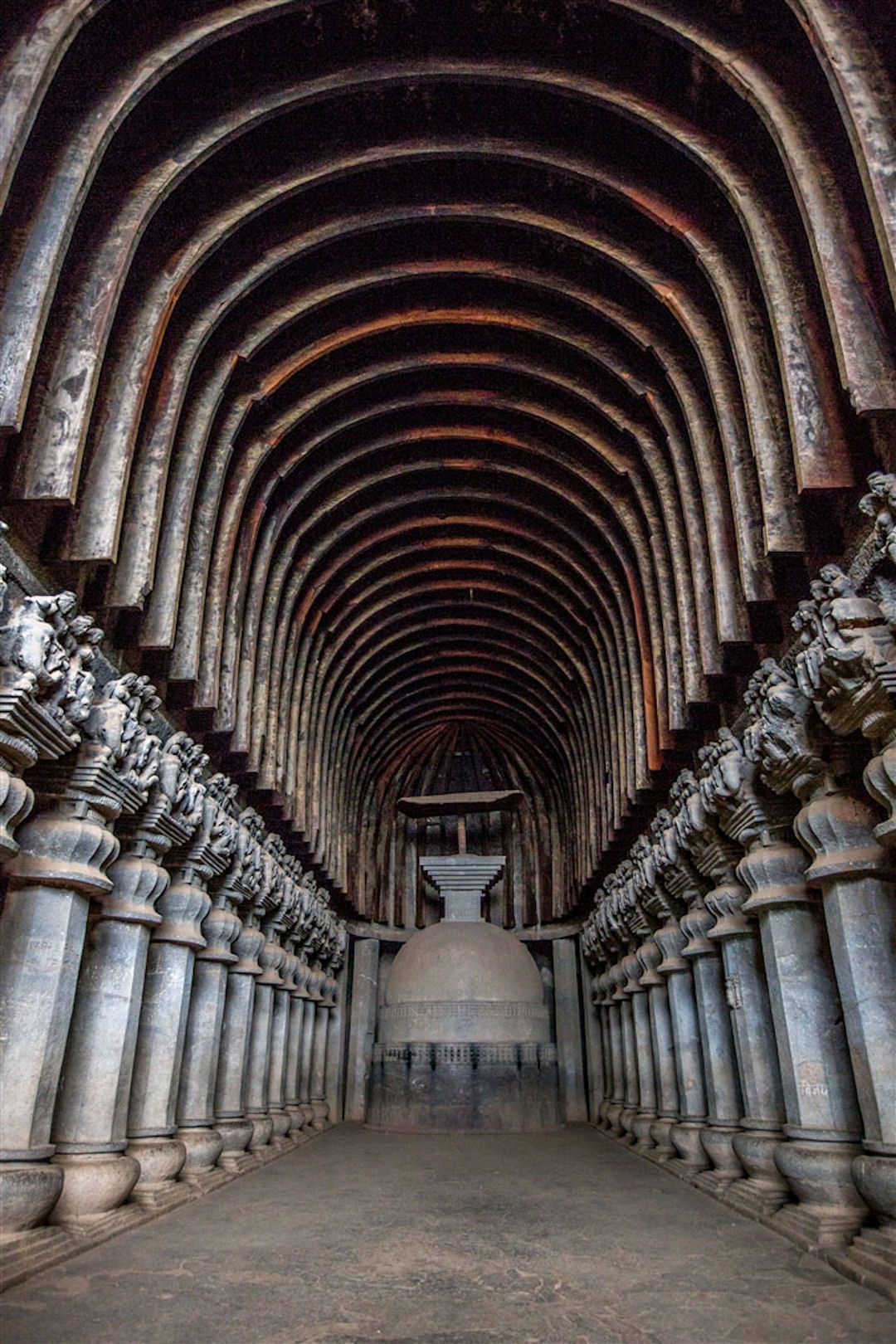
Why the caves close earlier
The caves are a protected national monument rather than a place of worship, so they follow ASI visiting hours and close for the day in the late afternoon. The temple, by contrast, reopens in the evening for darshan and aarti. If you leave the caves until last, you risk arriving after they have shut — whereas an evening temple visit is still possible. When in doubt, see the caves first within their hours and keep the temple as the more forgiving option. The cave visitor information page covers tickets and what to see inside.
Meals & rest
The climb and the heat make food and rest more important than they sound. Plan a proper meal around midday, which conveniently overlaps the temple's break, and use that time to sit in the shade and rehydrate. Stalls at the base sell water, snacks and prasad, and there are eating options in and around Lonavala if you prefer a longer break. Carry your own water for the climb in both directions — it is the part of the day people most often underestimate.
Family notes
With children or older relatives, let the slowest member set the pace. A few practical notes:
- There is no confirmed palanquin-for-hire or operating ropeway, so everyone climbs on foot — plan rest stops on the steps.
- The route is demanding and not wheelchair accessible; for anyone who cannot manage the stairs, the caves and the base area may be a gentler focus than the full climb.
- Keep small children close on the steps and at the cave edges, and carry sun protection and water for them.
- Since July 2025 the temple asks for modest, traditional dress — dress the whole family accordingly. See our guidelines.
Ready to plan the day?
Combine this with the step-by-step itinerary and the latest reported timings so the climb, the caves and the meals all fit.
Open the one-day itinerarySources & notes
- Karla Caves as a centrally protected monument (hours, ticketing): Archaeological Survey of India — confirm exact cave timings and charges on site.
- Tourism context for the Lonavala–Karla area: Department of Tourism, Maharashtra.
- Background on the caves and the temple: Wikipedia — Karla Caves (reference only).
- Temple and cave hours are reported from public sources and are time-sensitive — verify before travelling.