In short
Reaching the shrine means climbing a stone stairway of roughly 350 to 500 steps, depending on where your climb begins. It is a moderately demanding climb on foot — there is no confirmed doli-for-hire or ropeway, and the route is not wheelchair accessible. Wear non-slip footwear, carry water, pace yourself, and take the rest spots along the way. Elderly visitors, young children and pregnant visitors should plan carefully and avoid midday heat and the slippery monsoon. Some facilities along the route may exist but need on-site confirmation.
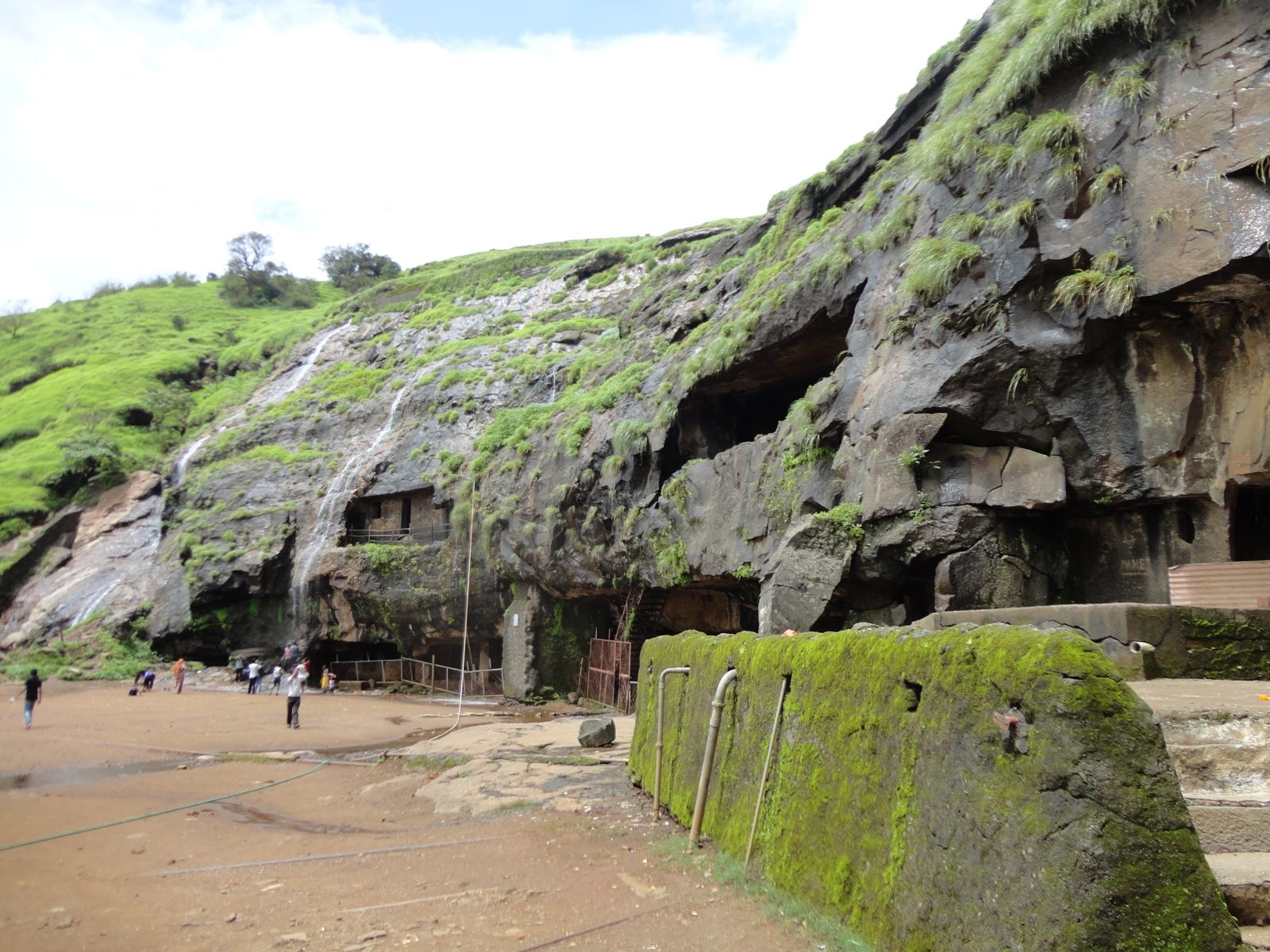
The stairway
The temple stands above the valley, and the way up is a long flight of stone steps cut into the hillside. The exact number is genuinely disputed: counts quoted by visitors and guides range from around 350 to over 500, largely because people start counting from different points — some from the parking and shop area, others from the true base of the hill. Rather than fix on a single figure, plan for a sustained climb of several hundred steps.
At a steady, unhurried pace most visitors take about 20 to 40 minutes to reach the top, with pauses. There is no need to rush; the climb is part of the pilgrimage, and stopping to catch your breath and take in the valley views is normal.
Terrain, rest spots and shade
The steps are stone and can be uneven in places, with stretches that are steeper than others. Along the way you will usually find shops and small stalls where you can pause, buy water or refreshments, and rest in patches of shade. Even so, much of the climb is exposed, so the sun can be strong in the middle of the day. Use the natural rest points, and do not push on through dizziness or breathlessness — sit, recover, and continue when ready.

Footwear and hydration
Comfortable, non-slip footwear makes a real difference on worn stone, especially when steps are dusty or damp. Carry your own water and sip regularly; light snacks help on a longer climb. A hat or cap and sunscreen are sensible outside the monsoon, and a small towel is handy in the heat. Keep your hands as free as possible so you can use railings or steady yourself where needed.
Honest accessibility
We want to be straightforward so you can plan with confidence: this is a physically demanding climb of several hundred steps on foot. There is no confirmed doli (palanquin) for hire and no operating ropeway, so everyone reaches the shrine by climbing. The stairway is not wheelchair accessible. A ropeway has been discussed as a future project but is not in operation, so please do not plan around it.
Guidance for specific visitors:
- Elderly visitors: the climb is possible for many at a slow pace with frequent rests, but those with heart, breathing, knee or balance concerns should weigh it carefully and consult a doctor if unsure. Climb in the cool of early morning, carry water, and do not feel rushed.
- Children: hold young children's hands on the steps, keep them away from edges, and build in rest and water breaks. Strollers are not practical on a stone stairway.
- Pregnancy: a long stair climb may not be advisable, particularly in later pregnancy or in heat; please seek medical advice before deciding, and consider visiting at a cooler time of day if you go.
If the climb is not right for you on a given day, that is an entirely reasonable choice. You can still experience the setting around the base and read about the temple on our temple page and the visitor FAQ.
Parking
Parking may be available at or near the base of the hill, but we cannot confirm the current capacity, charges or arrangements, which vary on busy days and during festivals. Please confirm parking on arrival and follow any on-site directions. Starting your climb early on peak dates makes both parking and the ascent easier. For routes to the base, see How to Reach.
Facilities to confirm on-site
Travellers often ask about drinking water, toilets and medical help on the route. Small shops and stalls are commonly present, but we are not able to verify the consistent availability or condition of public drinking water, toilets or any first-aid or medical point. Please treat these as needing on-site confirmation and come prepared: carry your own water, any personal medication, and basics for the climb rather than relying on facilities being open or available when you arrive.
Water points, toilets and medical facilities along the route are not confirmed and may be limited · please confirm on-site and come self-sufficient.Monsoon safety
During the monsoon (roughly June to September) the hillside is lush and beautiful, but the stone steps can become wet, mossy and slippery, and mist can reduce visibility. Footing is the main hazard. Wear footwear with good grip, descend with extra care, avoid the edges, and do not attempt the climb during heavy rain, strong wind or thunderstorms. Local authorities in the Lonavala–Maval area sometimes issue seasonal safety advisories or restrictions during the monsoon — check for any current advisory and heed it. For seasonal guidance, see the best time to visit.